Signs of Alcohol Abuse: Swollen Face, Bloating, and Other Visible Effects
Excessive alcohol consumption can cause dark circles under the eyes due to dehydration and disrupted sleep patterns. These factors can make the skin around the eyes appear darker, sunken and thinner, causing blood vessels to become more visible. Furthermore, the physical toll of alcoholism can be seen through the skin. Excessive consumption of alcohol can cause the blood vessels in the face to dilate, resulting in a flushed appearance. This redness is often accompanied by puffiness, giving the face a swollen and bloated appearance. Bloodshot eyes, another common physical sign of alcoholism, can be caused by the dilation of blood vessels in the eyes, leading to a reddened and irritated appearance.
Alcoholic skin sores
Rather than relying solely on physical appearance, it’s crucial to consider other factors when assessing whether someone may be an alcoholic. The more someone drinks, the likelier they are to break the blood vessels. Alcohol is a potent drug, but its effects are limited and not dangerous when you drink small amounts. However, drinking too much for years may lead to alcohol use disorder (AUD) or alcoholism.
What Are Your Approaches to Addiction Treatment?
In Massachusetts, where 17.5% of adults report excessive drinking, understanding these indicators is particularly vital. Alcohol's effects on skin can be quite visible not long after drinking. There are many facial signs of alcoholism, but one of the most common signs is redness in your face. As with water retention in the face and body due to the dehydrating effects of alcohol, the feet can also become swollen and discolored due to excessive alcohol abuse.

Dry, Sallow Skin
This occurs when your body breaks down alcohol and creates acetaldehyde. Acetaldehyde makes your body release histamine, which enlarges your blood vessels (known as vasodilation). The part of the brain that controls co-ordination and balance, the cerebellum, can deteriorate under the influence of alcohol, making you look unsteady on your feet. The cerebellum is particularly sensitive to severe alcohol consumption. If caught early enough, quitting drinking and other lifestyle changes can treat liver disease. https://ecosoberhouse.com/ As alcohol abuse progresses, the belly can become hard and distended, and fluid buildup called ascites can be a sign of liver damage.
Factors Influencing Alcoholism in Women
Alcohol abuse causes the body to be unable to metabolize certain substances such as bile salts, corticosteroids, and histamine. The build-up of these substances causes generalized skin itching, which can lead to irritation, inflammation, and rashes. Hosted by Amy Morin, LCSW, this episode of The Verywell Mind Podcast shares strategies for coping with alcohol cravings and other addictions, featuring addiction specialist John Umhau, MD.
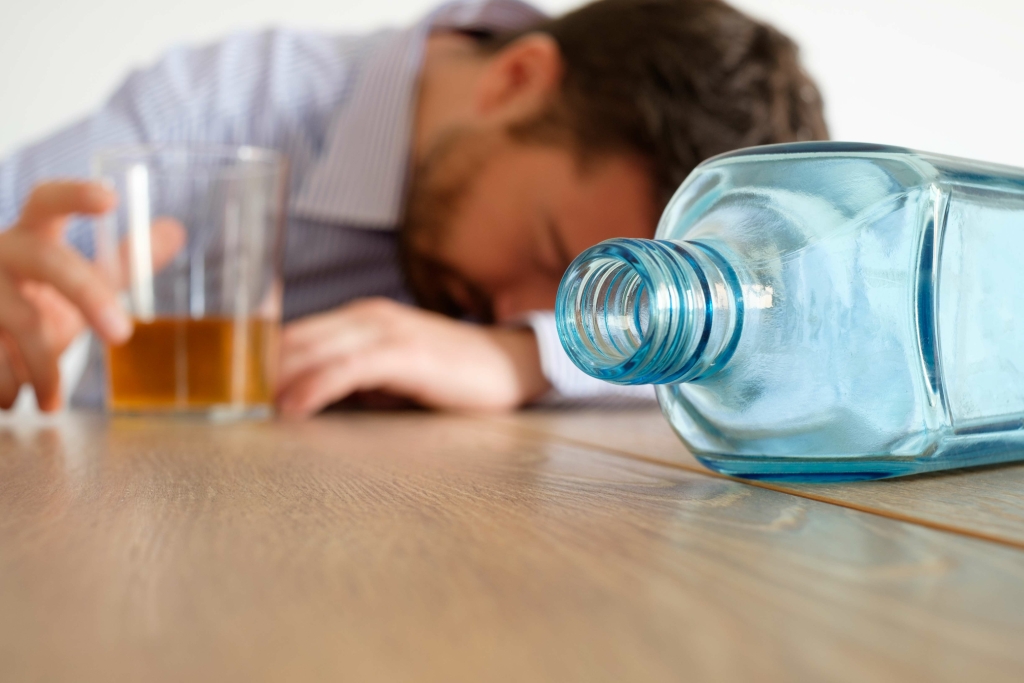
This can lead to a range of problems, including impaired judgment, relationship issues, financial difficulties, and even legal troubles. The compulsive need for alcohol can become all-consuming, overshadowing other aspects of an individual’s life. When it comes to understanding alcoholism, it is important to recognize that it is not simply a matter of willpower or moral failing.
- Read on to learn about the short-term and long-term physical repercussions of excessive drinking on our health.
- Instead of stopping alone, reaching out to medical professionals who can safely guide you through the process and monitor your symptoms is wise.
- It’s often used to justify that daily glass of wine or weekend beer, but the official guidelines are more specific than you might think.
- This metabolic slowdown can result in a disproportionate accumulation of abdominal fat, contributing to the development of a beer belly.
Damage to neural stem cell progenitor pools that give rise to neurons and glia is believed to be a major factor contributing to these abnormalities. If you're looking to cut down on your drinking while you're out and about, we have some great tips for you. Here are some other information and advice pages linked to how alcohol affects your appearance. The constant mixture of alcohol in the stomach wrecks havoc on the organ's lining.
If you’ve been on this planet for any amount of time, chances are that you’ve heard to someone referring to a “beer belly” — either theirs or someone else’s. In our culture, it seems to be a ubiquitous comment referring to certain people’s physical appearances. But did you know that there is some truth to the legend of the beer belly? In fact, the misuse of alcohol can have a tremendous impact upon the body’s digestive system. One of the most important facts to know is that alcohol will dehydrate you. As a result, the body hangs onto whatever Oxford House fluids it can — often causing the body tissue in the abdominal area to appear bloated.

Redness of Face
This loss of efficiency can also cause the buildup of waste products, leading to an alcohol-puffy face. It’s no secret that alcohol impairs judgment, slows reaction physical sign of alcoholism time, and lowers inhibitions. These effects are a primary reason why it’s so closely linked to accidents and crime. According to researchers at Harvard, in the U.S., alcohol is a factor in about half of all deadly traffic accidents.
- Additionally, diminished physical performance, such as a decline in strength, endurance, and overall fitness, can also be attributed to the negative impact of alcohol on the body.
- The pre-alcoholic stage is characterized by social or occasional drinking.
- Alcohol addiction is not a choice, and CCFA explains how to spot an alcoholic face so you can help your loved one get the help they need.
- As one Harvard resource puts it, a little can be a tonic, but a lot can be a poison.
Can you reverse the signs of alcohol face?
At Align Recovery Centers, we understand the profound impact alcohol use disorder can have on your physical appearance and overall health. Our comprehensive continuum of care, from detox to residential treatment and aftercare, is designed to support you at every stage of your recovery journey. With compassionate care, evidence-based therapies, and holistic approaches, our experienced team is here to guide you toward lasting sobriety and improved well-being. Redness of the face is common as repeated drinking episodes put pressure on blood vessels causing them to enlarge.