Is Bookkeeping Hard? Everything You Need to Know

The answer depends on your goals and how much effort you put into learning them. Generally speaking, accounting can be complicated for people who want to become certified public accountants (CPAs) or financial analysts. This bookkeeping allows businesses to keep track of their finances and makes it easier to spot problems. However, some students may still find the subject difficult even with a strong foundation in accounting. If this is the case for you, consider enrolling in a course that focuses on specific aspects of the subject matter or seeking assistance from an experienced accountant. Each year, accounting work becomes more specialized, technical, and essential to an organization’s success.
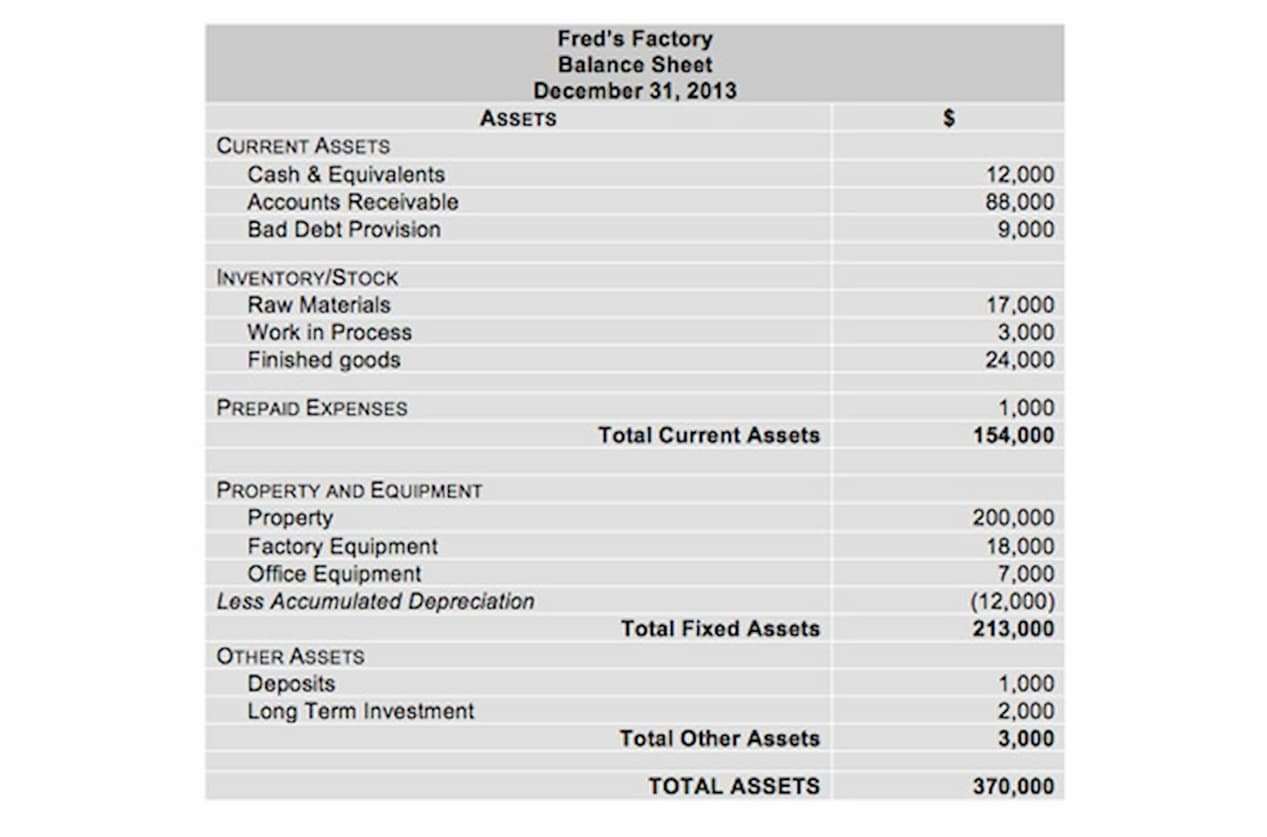
Is Accounting Harder Than Computer Science
Some business owners hire the same person to handle both their personal and business finances. While this may help save costs – you’d only have to hire one professional to balance both books as opposed to multiple – it can become problematic. Some may have a proven track record in documenting personal finances but no experience handling substantial corporate accounts. It’s a common misconception that one needs a CPA certification to be a bookkeeper. In this article, we’ll dive deeper into those practices and elaborate on the key responsibilities of a bookkeeper. If you would like to work for a company as a bookkeeper, for example, having a degree may help you to stand out if there are several applicants for a position.
Understanding Business Overhead Expenses

Most remote QuickBooks Live bookkeepers work from home which means you need a reliable hard-wired internet connection and a landline phone. Intuit will provide a laptop with all the technology and software required to meet your responsibilities. Intuit will also provide petty cash a webcam, headset, USB hub, Ethernet cable, backdrop, and VPN token.
- Each path presents unique advantages depending on what interests you most in the field of finance.
- Despite the fact that math is a vital aspect of accounting, you can still perform well in this subject if you do not have exceptional math skills.
- To become an accountant, you must complete your education and gain relevant experience.
- They might not have great public speaking skills, so doing presentations could be quite difficult for them.
- Once they have a basic understanding of accounting, they can learn more complicated concepts, such as double-entry bookkeeping.
- Although these duties may not appear simple to you, they are not impossible to learn to perform.
What does it take to become a bookkeeper
Keeping pace with accounting’s ever-changing landscape can be difficult, but you can stay ahead of the curve by continuously honing your skills and developing new ones. Knowing is bookkeeping hard that Excel will take over your life while you pursue this job is crucial. I work with Excel 90% of the time, email 5% and Word 5% of the time. If you don’t want to spend your life staring at screens, this may not be the best job for you.
Discover more from Accounting Professor.org
- But once your first year of college is over, the rest of your coursework shouldn’t be too difficult for you.
- Additionally, a great memory will help you learn new bookkeeping techniques and principles, which you can use to further your career.
- Generally, the end of quarters and the end of the year are busy times for bookkeepers.
- If working from home, or anywhere with an internet connection, appeals to you, consider beginning a career as a bookkeeper.
- Consistency in practice and patience are important for effective learning.
- Accounting is not anymore difficult than any other college major or field of study.
On the other hand, accountants study balance sheets, profit-and-loss accounts, cash flow statements, and position declarations, to name a few. If you don’t want to sit in front of a computer for hours a day, being a bookkeeper probably isn’t for you. If you want to be an accountant, becoming a bookkeeper is a great starting point, while you pursue your education. You’ll be working for a business or businesses, and you’ll learn about the industry they are in.

It has traditionally been considered hard because of brutal public accounting working conditions
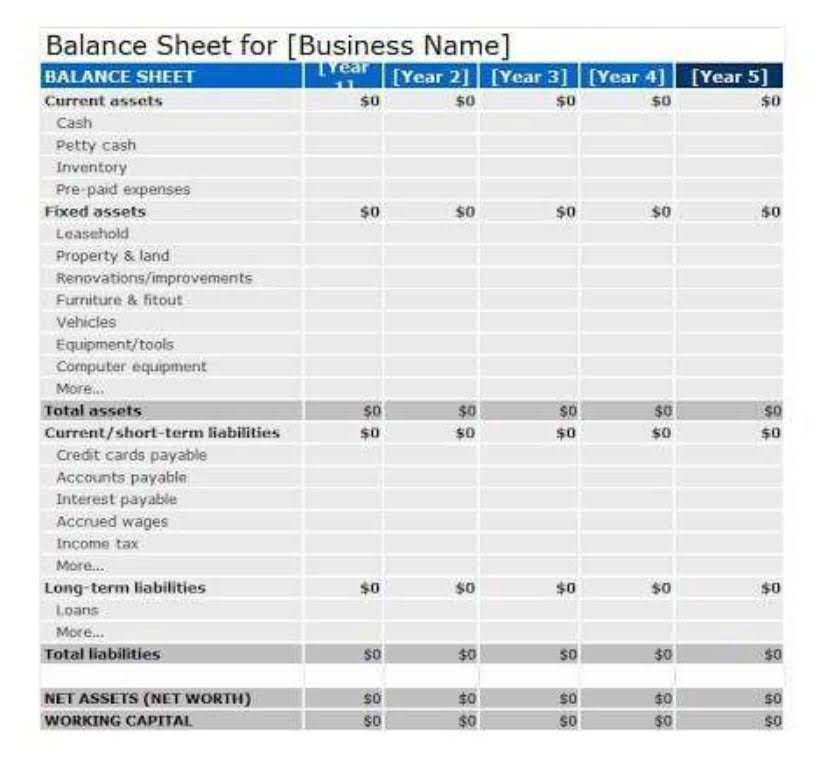
Bookkeeping may not demand an advanced level of education to get started, but those interested in pursuing it can certainly take actions to continually hone their skills. Things like training programs and reading books on bookkeeping practices will help to simplify how the job is done. Human error and HOA Accounting miscalculations can have significant ramifications when it comes to business bookkeeping.